Partager l'article


31% of people in France, or 17 million people, live in transport poverty in 2026, according to Wimoov's new Everyday Mobility Barometer*. Transport poverty describes the situation of people for whom getting around costs too much, depends entirely on a car, or becomes impossible for lack of any means of transport. It has risen by 2 points since 2024 and hits the most vulnerable first: three in four people below the poverty line are affected.

The car remains the main mode of transport for 72% of people in France. This is often not a choice: almost half say they cannot choose how they travel. Outside the large cities, and above all in rural areas, having no alternative becomes the norm.
Lower-income populations spend less on getting around, but mobility takes a far larger share of their budget. The mode of transport makes the difference: a car user spends an average of €254 per month on everyday journeys, while a public transport user spends €49 on passes and tickets.


With no solution available, 40% of people in France have given up at least one journey in the past five years. More than one in ten has missed a medical appointment, and 26% of jobseekers have given up a job or a job application. To keep paying for their journeys, others cut back on essentials: food, housing, healthcare.
The barometer makes it clear: lower costs, support while travelling or better information would get a large share of people in France out of the house more often. More than half of public transport users also find waiting areas unsuitable.
We believe that Demand-Responsive Transport (DRT) is a fitting answer to these challenges, especially in low-density areas where a fixed bus line is not viable:
Padam Mobility supports public transport aputhorities and operators in the design and operation of these services.
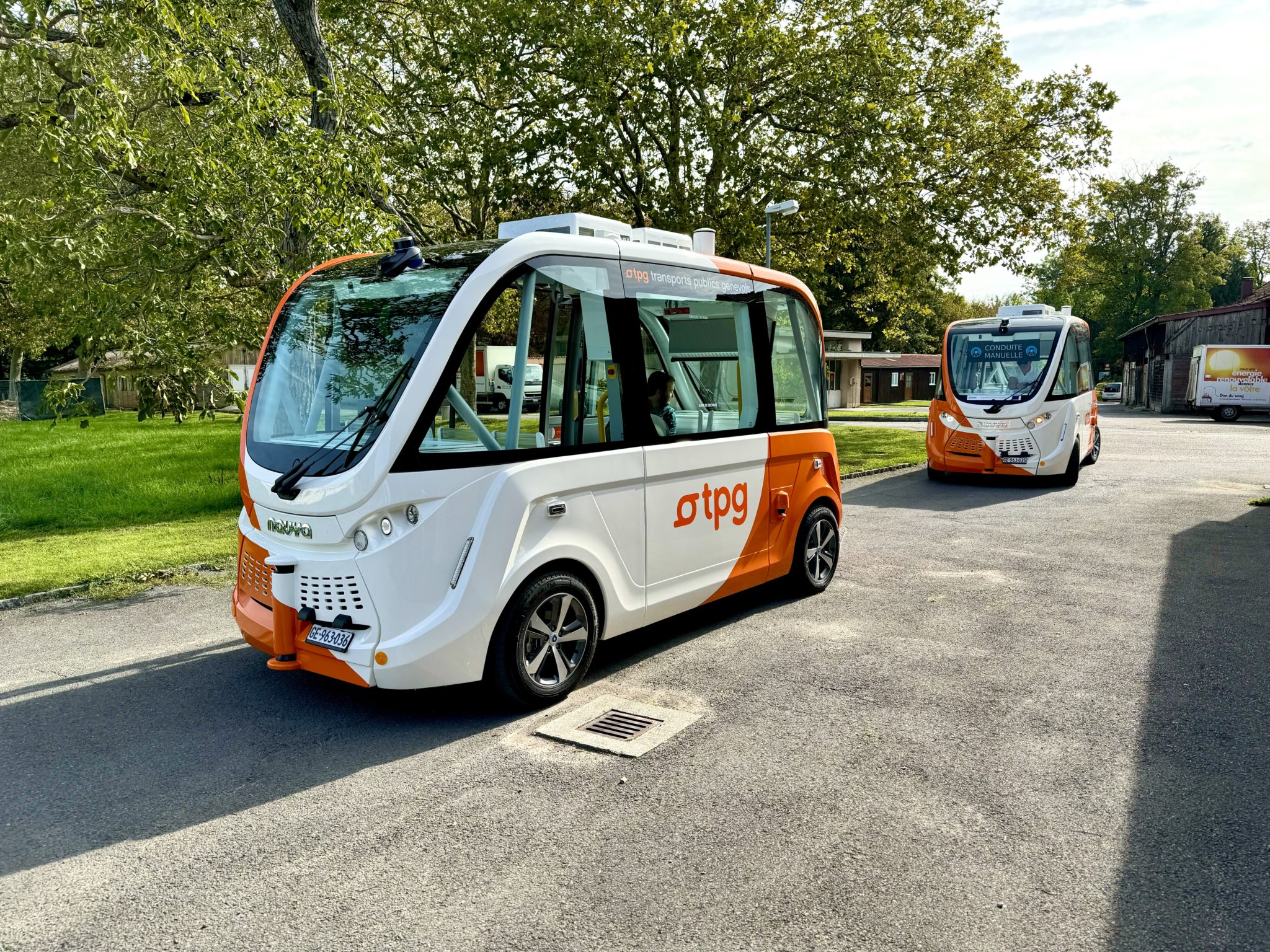
In low-density areas, operating costs, a large part of which goes on drivers, still hold back the roll-out of DRT at scale. Autonomous vehicles open up a concrete prospect here: autonomous DRT, built into public transport, could extend the service to the places where the barometer finds transport poverty, rather than adding more driverless private cars.
This is the topic of the article on the future of autonomous vehicles in public transport:
*Baromètre des mobilités du quotidien (Everyday Mobility Barometer, French), 4th edition, Wimoov and Ipsos bva, 2026. Online survey of 13,400 people aged 18 and over, conducted from 3 to 20 February 2026, with two additional samples: 500 residents of France's priority urban neighbourhoods and 500 people with little or no digital access.