


Reducing operational costs with virtual lines
Reducing operational costs with virtual lines
Public transport networks often struggle to balance coverage, cost control, and service quality - especially in low-demand areas.This case study shows how virtual line demand-responsive transport (DRT) can transform underperforming fixed routes into efficient, demand-driven services, reducing unnecessary kilometres while maintaining accessibility.
Why read this case study:
- Understand the key causes of inefficiencies in low-demand fixed-route services
- Learn how dynamic routing and timetables reduce empty runs and optimise resources
- See how data improves planning and service predictability
- Explore a real-world implementation within an existing public transport network
Real-world example: Lille Metropolitan Area
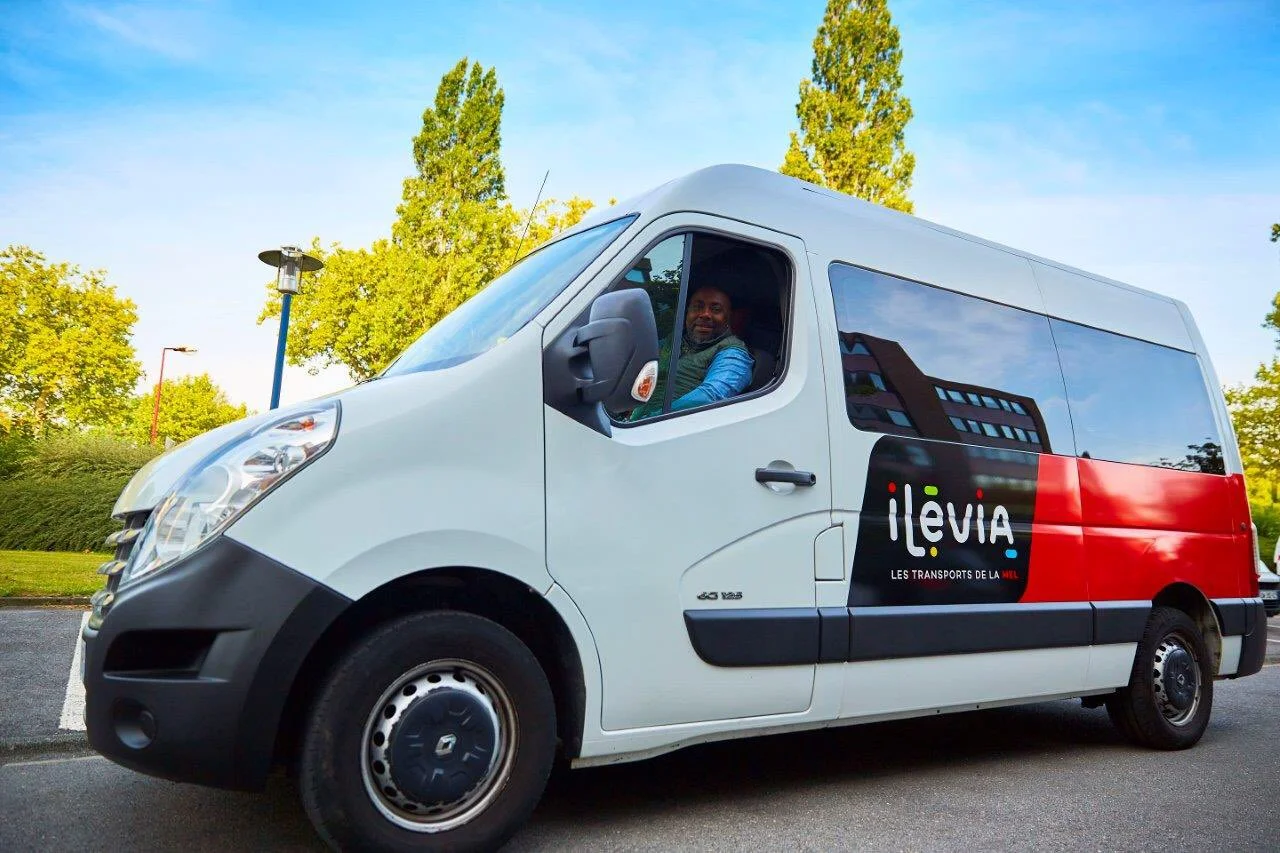
See how Lille reduced driver hours, avoided unnecessary trips, and improved operational efficiency by deploying virtual lines across its network.
Download
The document
Padam Mobility
As a key player in shared mobility, Padam Mobility meets the objectives of rebalancing the transport offer in sparsely populated areas and allows all users to move around with more freedom. The company designs and develops dynamic and intelligent Demand-Responsive Transport solutions (DRT and Paratransit) based on artificial intelligence:

Users book their rides in real time or in advance via an application, a website or a call centre.

Drivers follow the evolution of their itinerary which is optimised according to bookings.

Thanks to a dedicated management interface, transport operators can supervise operations and collect the data needed to continuously improve the service.


